
Master the Art of Understanding Blueprints

Learn to read and interpret blueprints for precise home construction.
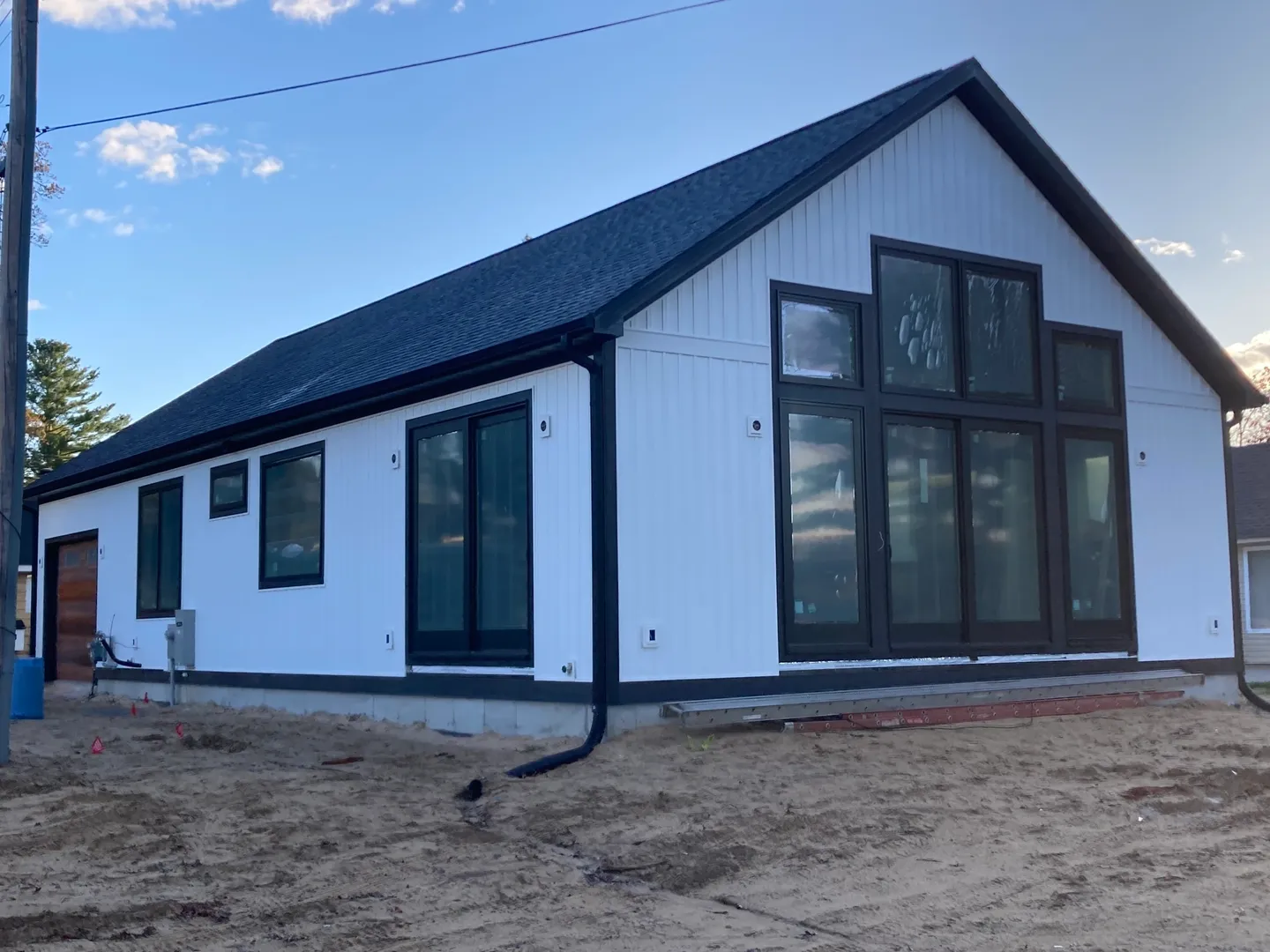
Modern white house with large windows and dark roof under a clear sky.

Your Home, Detailed in Blueprints

Blueprints are much more detailed drawings than simple floor plans. Blueprints are exact, detailed, scaled drawings of plans of a home, building, or structure, which include many more details than a basic floor plan.

Your blueprint plans and specifications are the documents used by your builder and contractors to instruct them on how to build your new home. Each set of blueprints should include floor plans; plans for the foundation and information on footings and framing; front, side, and rear elevations; a roof plan; electrical layout and kitchen cabinet layout; and construction details.

Building Made Clear With Blueprints

Each set of blueprints includes detailed documentation that fully describes the quality and specifications of the materials needed to complete the building of your home. You can use your detailed blueprints to get precise estimates of the total cost to build your home. Blueprints are used to provide the builder with a complete set of two-dimensional instructions on exactly how to construct the home. The most common sizes of blueprints for the construction of a new home are 18″ x 24″ or 24″ x 36″.
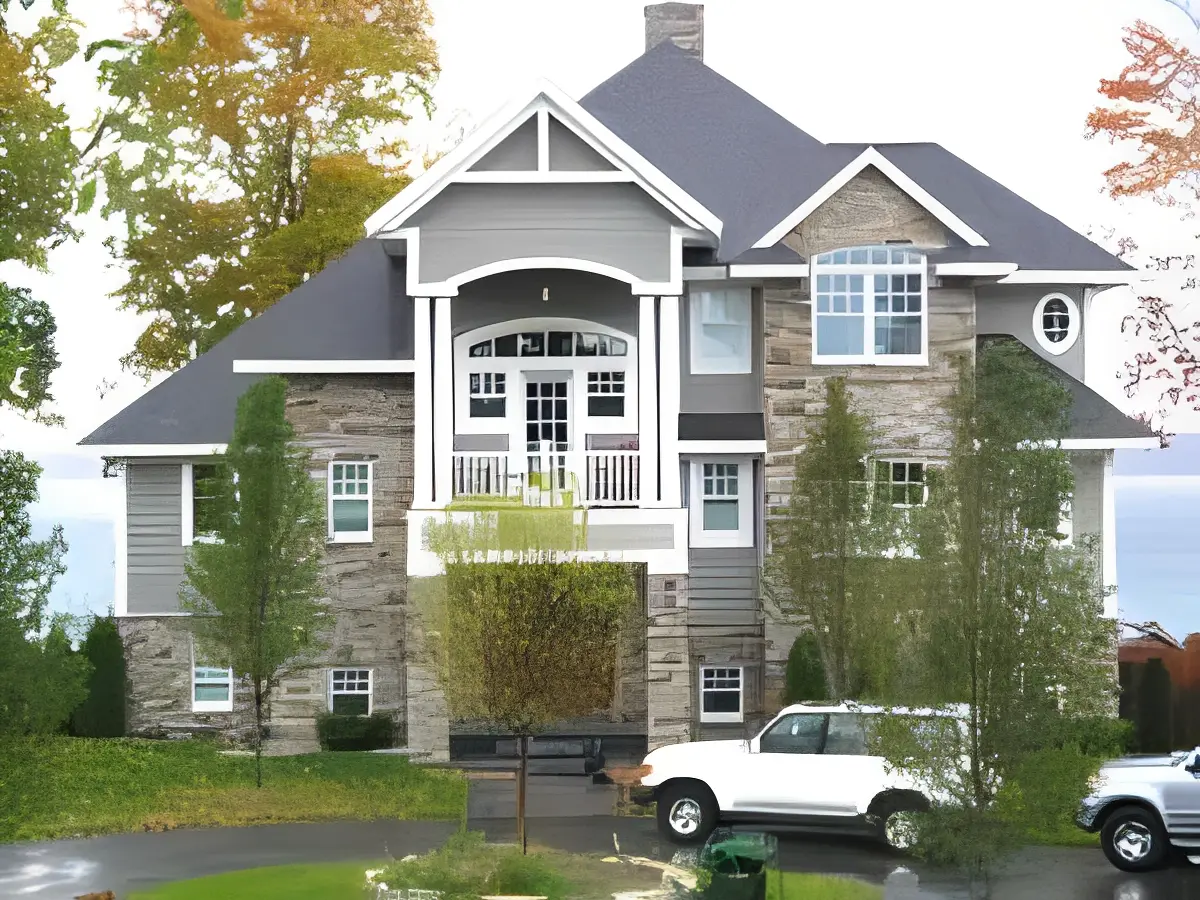
Elegant suburban house with stone facade and white trim.
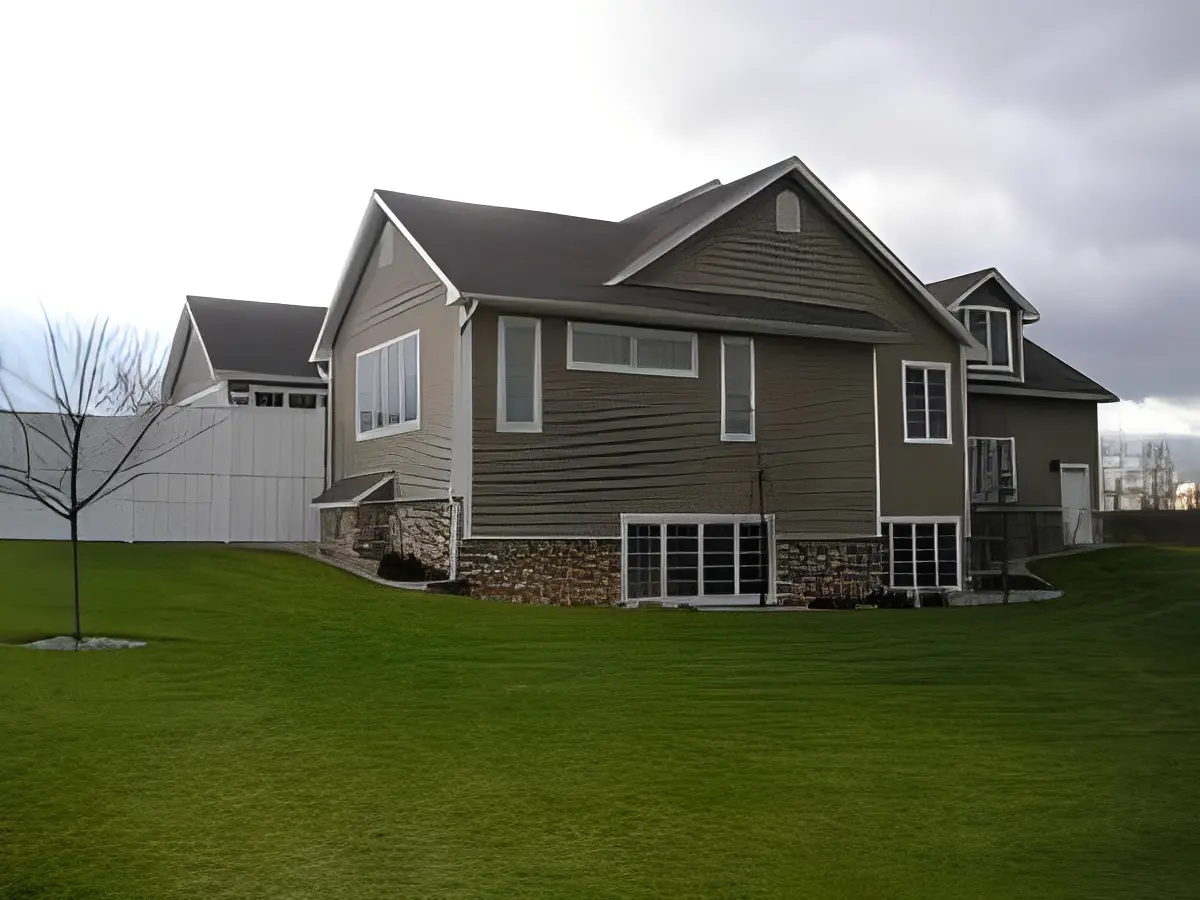
A grey house with a green lawn and overcast sky.

From Hand-Drawn to High-Tech

Before the advent of computers, blueprints were drawn by hand on vellum (a semi-transparent film which was specially processed and treated with ammonia); however, with the advances in computer software, the process of designing a floor plan has greatly improved, and floor plans have now become easier to create and duplicate. Now, complete floor plans can be stored and printed just as easily as printing this document from your computer. We offer a wide selection of comprehensive and detailed blueprints in a wide assortment of house styles, home plans, and designs to fit any lifestyle, whether you are looking to remodel or build a new home.

How to Read Blueprints

Scale

Blueprint floor plans are typically drawn to a ¼” scale of the actual size of the home. This way, the builder will be able to scale the drawing of the home and come up with the correct measurements. As a generally accepted rule, a ¼” scale means that for every ¼” on the plan, it will account for 1′ of actual length. Some details, like framing layouts or built-in details, may be drawn at a scale of 1/8″ or even ¾”.

How to Interpret Scale

Any builder will know to look at the key provided on the house plan to determine the scale of the home. Since the blueprints are drawn to scale, if any portion needs to be changed, the contractor can scale the drawing to determine the right measurements to make the adjustments. The scale of each drawing is usually next to the title; however, there are times when it is called out beneath the drawing or elsewhere on the page.

Elevations

Blueprints also generally include four elevation drawings of a home: the front, the rear, and each side. The purposes of these drawings are so that measurements can be taken for any necessary aspect, and they are drawn to scale and also indicate what the home will look like upon completion. Elevation blueprints also include ridge heights, exterior finishes, roof pitches, and other design aspects to give a general idea of the finished home. These exterior specifications can also provide details about the home’s exterior architectural styling.

Basement Floor Plan

Basement floor plans (if provided) show how the foundation and structural integrity should be built. These plans give further details about the location of footings, load-bearing walls, steel rebar concrete reinforcements, and other structural elements the home requires to support the walls and roof.

Electrical Layouts

Electrical diagrams (if provided) can often be difficult to read, which is why the drawings of the electrical layout of a home are often on a separate drawing. By keeping the electrical layout on its own drawing, the electrician can begin wiring the home without reading through the entire building floor plan. Electrical diagrams usually include a legend or key on the page that explains what each symbol represents. From this diagram, the electrician can determine the location of electrical outlets, fans, fixtures, light fixtures, etc. Electrical diagrams may also include legends for heating systems, door swings and sizes, or even to specify certain finishes.

Framing Drawings

Like every other drawing, the framing drawings (if provided) are also drawn to scale. Framing plans include the basic skeletal structure of the home. Floor joist locations, walls, and roof trusses are the overall details of these plans. Generally, the locations of each stud are not included due to a recognized universal building code. However, in some cases, there are instructions for particular wall construction methods.

Plumbing and Mechanical Systems

Since stock house plan blueprints are sold throughout the 50 states, regional preferences and climatic variances dictate different mechanical systems, and as such, this information must be obtained locally. Typically, only plumbing fixture locations are provided, but this information is ample for the contractor to install a plumbing system. However, you may want to have the heating subcontractor provide a duct and register layout for your review prior to construction. Your local utility company may also offer various services to help you size a system for your new home.

Cross-Sections and Details

Overhead views or floor plan views of the structure provide detailed information about wall lengths and room dimensions but do not fully provide enough information for the successful construction of the home. Therefore, in most cases, a cross-section of the home is included in a set of house plans. A cross-section of a home is a drawing of the completed home as if it were sliced in half. This part of a home plan provides the builder with a better understanding of the relativity of floor heights, rafter lengths, and other structural elements of the home.

Plot Plan

A plot plan is a comprehensive drawing of the site location or lot on which a new home is to be built. Plot plans are drawn to determine the placement of the home on the chosen building lot in reference to the property boundaries, topography, and house layout. Plot dimensions are normally recorded by a surveyor and are used to determine the exact location and positioning of the selected home in relationship to the chosen lot.

Mapping Your Home Site

Plot plans will typically include the location of utility services, setback requirements, easements, and locations of driveways and walkways. In some cases, a topographical map may be included that will supply the architect or builder with critical data on the slope and terrain of the lot he or she is designing a home for.

Plot Plans Drawn to Fit

Since plot plans are prepared based on the exact size and dimensions of the house to be built and how it will fit into a selected lot location, they are not normally included in the purchase of stock floor plans. However, plot plans can be drawn by a local professional draftsman, architect, or engineer once a lot is chosen.

Next Steps

So, now that you know how to read a blueprint, you need to understand the differences between the different styles! See our information on how to choose the right house plan.